


At the office of Skylark Dental, we focus on restoring teeth so they look natural and perform reliably for years. Our approach combines careful diagnosis, contemporary materials, and techniques designed to preserve as much healthy tooth structure as possible while delivering durable, attractive results.
Tooth enamel is remarkably strong, but cavities, fractures, root canal therapy, and the wear that accompanies grinding or heavy chewing can leave a tooth too compromised for a simple filling. In those situations, a full-coverage restoration — a crown — protects the remaining tooth, restores chewing function, and recreates a natural shape.
Recent improvements in ceramic materials have made metal-free crowns an excellent choice for many patients. Modern ceramics can provide outstanding strength, lifelike translucency, and excellent biocompatibility, allowing clinicians to tailor restorations that meet both functional demands and aesthetic expectations.
Our goal is to design a treatment plan that balances long-term performance with the look you want. We explain the options clearly, consider your priorities, and use conservative preparation techniques whenever possible to preserve healthy tooth structure.
A crown is a protective cap that encases the visible portion of a damaged tooth. By covering and stabilizing the remaining tooth, a crown redistributes chewing forces and prevents further fracture or breakdown. This full-coverage approach is often the most predictable way to return a tooth to normal function when the natural structure is substantially weakened.
Dentists commonly recommend crowns after large fractures, extensive decay, or when a tooth has received root canal therapy. Crowns can also anchor fixed bridges, restore dental implants, or conceal cosmetic flaws that are not correctable with simpler treatments like bonding or veneers.
When planning a restoration, we consider the tooth’s role in the bite, the amount of remaining healthy tooth, and the aesthetic zone it occupies. These factors determine whether a crown should emphasize strength, appearance, or a balance of both.
Because a crown covers the whole chewing surface and sides of a tooth, proper fit and precise contacts with neighboring teeth are critical. A well-made crown should feel comfortable, preserve proper bite relationships, and be straightforward to keep clean during regular oral hygiene.
To repair and rebuild a tooth with extensive structural damage due to decay or trauma
To replace a large or broken filling
To restore a dental implant
To provide full coverage for the abutment teeth of a dental bridge
To strengthen and protect a tooth after root canal therapy
To improve the appearance of an undersized, misaligned, or discolored tooth
To address functional concerns such as bite discrepancies or uneven wear

All-ceramic crowns are prized for combining aesthetic qualities with excellent tissue compatibility. Unlike restorations that rely on a metal substructure, modern ceramic crowns transmit and reflect light in a way that closely resembles natural enamel, creating a lifelike appearance that blends with adjacent teeth.
Ceramic materials are also kind to surrounding gum tissue. Their smooth, inert surfaces reduce the likelihood of irritation, and because they are metal-free, they are suitable for patients with metal sensitivities. Stain resistance is another practical benefit, helping restorations retain their color over time with proper oral hygiene.
Clinically, the gap in strength between metal-ceramic crowns and high-quality all-ceramic crowns has narrowed substantially. Engineered ceramics such as lithium disilicate and contemporary zirconias provide the durability needed for many posterior restorations while offering improved translucency for front-tooth applications.
When aesthetics and biocompatibility are priorities — for example, in the smile zone — ceramic crowns often deliver the best balance of natural appearance and clinical reliability. Your dentist will weigh these advantages against functional demands to recommend the ideal material for each tooth.
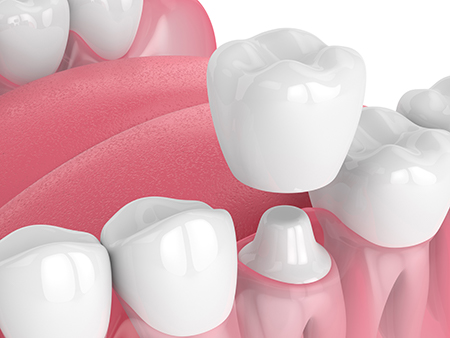
Not all ceramics perform the same way. Material selection depends on where the crown will sit in the mouth, how much chewing force it must endure, and how critical appearance is to the overall result. Modern dentistry offers a range of ceramic systems that let clinicians tailor restorations to those unique requirements.
Lithium disilicate is known for its excellent translucency and is frequently chosen for anterior crowns where lifelike aesthetics matter. Pressable porcelain reinforced with leucite provides a good balance of beauty and strength for many situations. On the other hand, monolithic zirconia and high-translucent zirconia offer substantial strength for molars and areas subject to high occlusal load.
Choosing the right ceramic involves assessing occlusion, bruxism risk, adjacent tooth color, and the thickness of the restoration. Sometimes a layered approach — a strong core with aesthetic veneering — gives the best of both worlds when both durability and an exact color match are required.
Your clinician will review these options with you, showing how each material performs and explaining the trade-offs so you can make an informed decision that balances longevity, appearance, and comfort.
Lithium Disilicate Porcelain Crowns
Leucite Reinforced Pressable Porcelain Crowns
Solid or Monolithic Zirconia
High Translucent Zirconia

The process for placing a ceramic crown typically begins with a thorough evaluation and digital records, including x-rays and photographs. Digital impressions or intraoral scans capture precise details of the prepared tooth and surrounding bite, which improves fit and comfort while often eliminating the need for traditional putty impressions.
During tooth preparation, the dentist carefully removes minimal tooth structure necessary to make room for the crown while maintaining strength. A temporary restoration may be placed while the final crown is fabricated, either in an on-site mill or by a dental laboratory. When the new crown is ready, the dentist checks fit, contacts, and occlusion before permanently bonding it in place.
After placement, proper home care and routine dental visits help ensure the crown’s longevity. Gentle brushing, daily flossing around the crown margins, and periodic professional cleanings keep the surrounding gum tissue healthy and the restoration performing well.
If you grind or clench your teeth, the dentist may recommend a nightguard or other protective measures to reduce excessive forces that can shorten the life of any dental restoration. With attention to maintenance and occlusal health, ceramic crowns can provide many years of predictable service.
Our team approaches each restoration with an eye toward preserving tooth structure, achieving a natural look, and delivering a functional outcome you can rely on. We combine evidence-based techniques with contemporary materials to create crowns that feel comfortable and blend seamlessly with your smile.
Communication is central to our process. We take time to explain the reasons for recommending a crown, present material options, and answer questions about the procedure and aftercare so you know what to expect at every stage.
Skilled laboratory partners and precise digital tools support the quality of the final restoration. The result is a durable, aesthetic crown that addresses the functional needs of the mouth while respecting the appearance of the smile.
Your oral health and satisfaction are our priorities. We design treatment plans that are specific to each patient’s anatomy and goals, and we stand by the quality of the work we deliver.
In summary, ceramic crowns are a versatile, natural-looking, and clinically strong solution for restoring teeth that are too damaged for a simple filling. If you’d like to learn more about whether a ceramic crown is the right option for you, please contact us for more information.
Ceramic crowns are full-coverage restorations made entirely from tooth-colored ceramic materials that mimic the optical properties of natural enamel. They are designed to encase the visible portion of a damaged tooth, restoring shape, strength and function while blending with adjacent teeth. Unlike crowns with a metal substructure, all-ceramic crowns transmit and reflect light similarly to natural teeth, which improves aesthetics in the smile zone.
Functionally, modern ceramics can match or closely approach the strength of metal-ceramic systems, especially when engineered as lithium disilicate or contemporary zirconia. Material selection varies by location in the mouth and occlusal load; clinicians choose ceramics to balance appearance and durability based on each tooth's role. Because they are metal-free, ceramic crowns also reduce concerns about visible metal margins or metal sensitivities in some patients.
A crown is recommended when the remaining tooth structure is insufficient to support a reliable filling or onlay, such as after large decay, vertical fractures or extensive wear from grinding. Crowns provide full coverage that stabilizes and redistributes chewing forces, reducing the risk of further breakage and protecting teeth that have had root canal therapy. Dentists also use crowns to anchor bridges, restore implants, or conceal cosmetic issues that simpler treatments cannot correct.
Decision-making considers the amount of healthy tooth left, the tooth's position in the bite and functional demands such as bruxism or heavy chewing. When preservation of tooth structure is possible, clinicians often use conservative preparation techniques and may discuss alternatives where appropriate. Ultimately, the goal is to choose the most predictable option that restores function and longevity while respecting aesthetic goals.
Common ceramic materials include lithium disilicate, leucite-reinforced pressable porcelain and various grades of zirconia, each offering different balances of translucency and strength. Lithium disilicate is prized for its lifelike translucency, making it a frequent choice for anterior crowns where a natural appearance is critical. High-translucency or layered ceramics can provide superior aesthetics, while monolithic zirconia and high-strength zirconias are well suited for posterior teeth that require greater fracture resistance.
Material selection depends on occlusion, adjacent tooth color and restoration thickness; sometimes a layered or hybrid approach is used to combine a strong core with an aesthetic outer layer. Your dentist will explain the trade-offs—such as optimal shade matching versus maximum resistance to chipping—so you can select a material that meets both functional and cosmetic needs. Advances in CAD/CAM fabrication and digital shading have improved the ability to deliver consistent, well-matched ceramic restorations.
The treatment process typically begins with a comprehensive evaluation, digital imaging and intraoral scans or impressions to document the prepared tooth and bite relationships. During tooth preparation the clinician removes a conservative amount of enamel to create space for the crown while shaping the tooth for proper fit and retention; a temporary crown is often placed while the laboratory or on-site mill fabricates the final restoration. Digital workflows frequently improve precision and reduce the need for traditional putty impressions.
At the insertion appointment the dentist checks fit, contacts and occlusion carefully before permanently bonding the crown with dental cement or adhesive, ensuring a comfortable bite and smooth margins. Postoperative instructions include gentle home care and routine checkups to monitor the restoration and surrounding tissues. If you have parafunctional habits such as clenching or grinding, the clinician may recommend protective measures to extend the lifespan of the restoration.
Caring for a ceramic crown closely resembles caring for natural teeth: brush twice daily with a soft-bristled toothbrush, floss gently at the crown margins and maintain regular professional cleanings to preserve gum health. Effective plaque control and monitoring of the crown-tooth interface are essential because decay can still develop at the margins if hygiene is poor. Avoiding chewing on very hard objects and addressing habits that place excessive force on the teeth will also help protect the restoration.
If you participate in sports or have nighttime grinding, protective appliances such as a custom nightguard or mouthguard can reduce the risk of chipping or fracture. Regular dental visits allow the dentist to check occlusion and make minor adjustments if the bite changes over time. Promptly reporting any sensitivity, looseness or roughness around the crown ensures early intervention and can prevent more extensive problems.
Ceramic crowns commonly provide many years of reliable service when they are well designed, properly fitted and maintained, but individual longevity varies based on several factors. The strength and type of ceramic, quality of the bond between crown and tooth, the amount of remaining tooth structure and the precision of the fit all influence how long a restoration will function without complications. Patient-specific factors such as oral hygiene, diet, and parafunctional habits also play a significant role in durability.
Clinical follow-up and maintenance can extend the life of a crown; early detection of marginal deterioration or occlusal changes allows conservative corrections before failure occurs. In cases of high occlusal load or severe wear, stronger ceramic formulations or alternative designs may be selected to improve resistance to fracture. Working with your dental team to monitor restorative and periodontal health helps ensure the best possible outcome.
Yes, ceramic crowns are commonly used to restore dental implants and can also serve as abutment crowns for fixed bridges depending on the clinical situation. Implant-supported ceramic crowns attach to the implant abutment and must be designed to manage occlusal forces while providing an aesthetic emergence profile that mimics a natural tooth. For bridges, crowns placed on abutment teeth provide support for the pontic and require careful planning to ensure proper load distribution and hygiene access beneath the replacement tooth.
When integrating ceramics with implants or bridges, clinicians evaluate factors such as connector design, material strength and how the restoration will be cemented or screw-retained. Careful communication between the dental team and the dental laboratory is essential to achieve precise fit, proper contacts and natural-looking contours. Maintenance instructions for implant-supported or bridge-supported ceramic restorations emphasize cleaning under and around the prosthesis to protect tissue health and support longevity.
All-ceramic crowns are generally well tolerated and considered a biocompatible option for patients with metal sensitivities because they contain no metal substructure. Ceramics offer smooth, inert surfaces that reduce the risk of soft tissue irritation and do not leach metal ions, which can be a concern for patients who react to certain alloys. Their natural translucency and color stability also make them a favorable choice for patients seeking metal-free restorations for aesthetic or health reasons.
As with any dental material, clinicians review medical and dental history to confirm suitability and rule out uncommon allergies or sensitivities to specific ceramic components. Proper polishing and margin placement help maintain healthy gum tissue around the crown, and routine dental exams allow monitoring of tissue response. When metal-free restoration is a priority, discussing material options with your dentist ensures the selected solution aligns with both health and cosmetic goals.
You should contact your dentist if you notice persistent sensitivity, a change in bite, rough or chipped edges, looseness of the crown or any discomfort that does not resolve within a short period. These signs can indicate issues such as marginal breakdown, cement loss, fracture or changes in surrounding teeth that affect occlusion. Early evaluation allows the dentist to identify the cause and recommend conservative repairs when possible rather than allowing a small problem to progress into a more complex situation.
Additionally, swelling, bleeding around the crown margin or persistent bad taste or odor may signal gum disease or decay beneath the restoration and should be assessed promptly. Regular checkups enable the dental team to catch subtle changes before symptoms arise, so maintaining scheduled visits is a proactive way to protect both the crown and overall oral health. If you have any concern about a restoration, a timely call to your dental office provides peace of mind and faster resolution.
At Skylark Dental we combine careful diagnosis, digital records and collaboration with skilled laboratory partners to achieve crowns that fit accurately and match surrounding teeth. Digital intraoral scans and imaging capture detailed information about the prepared tooth and occlusion, enabling technicians to fabricate restorations with excellent marginal fit and proper contacts. Our clinicians use conservative preparation techniques and shade-matching protocols to preserve tooth structure while achieving a natural appearance.
Before final cementation the team verifies fit, occlusion and esthetics clinically, making adjustments as needed to ensure comfort and function. Post-placement instructions and regular follow-up visits help maintain the restoration and surrounding tissues over time. Clear communication about material options, expected outcomes and maintenance empowers patients to make informed choices that support long-term success.
Quick Links
