


When a tooth develops decay or sustains damage, a filling is a straightforward way to restore form and function without removing the entire tooth. Fillings stop the spread of decay, rebuild chewing surfaces, and help preserve the natural structure of your smile. While preventive care remains the best defense, timely treatment with a well-placed filling prevents small problems from becoming complex restorative cases.
Today’s restorations emphasize conservation: dentists remove only the damaged or infected tissue and replace it with a material that restores strength while maintaining aesthetics. By addressing a cavity early, you reduce the risk of more invasive procedures down the road. Patients who understand the role of fillings are better prepared to make informed choices about their care.
At Skylark Dental, we prioritize treatments that balance durability with appearance, focusing on solutions that help teeth function comfortably and look natural. Our approach centers on individualized care—assessing the extent of decay, the tooth’s role in your bite, and your personal expectations for how the restoration should look and perform.
Composite resin has become the preferred material for many restorations because it blends with natural tooth enamel and can be shaded to match surrounding teeth. Unlike older metal amalgams, composite fillings preserve more of the healthy tooth structure during preparation. That conservative approach contributes to long-term tooth health and often results in a restoration that is difficult to distinguish from the original tooth.
Beyond aesthetics, composite materials bond directly to the tooth surface, which reinforces weakened areas and helps seal margins against bacterial infiltration. This adhesive property reduces the need for extensive mechanical retention and can make future repairs simpler if they become necessary. Composites are also mercury-free, a consideration for patients seeking metal-free treatment options.
Composites are versatile: they can repair small cavities, rebuild worn edges, close minor gaps, and even be used for cosmetic contouring in certain situations. Their durability has improved markedly with advances in material science, making them a reliable choice for many posterior and anterior applications when placed correctly and maintained with good home care.
An efficient appointment begins with a careful assessment: the dentist examines the tooth, reviews radiographs when needed, and discusses treatment options with you. When a composite filling is chosen, the area is typically numbed with local anesthesia so the procedure is comfortable. Modern techniques and gentle administration of anesthesia make this process quick and well-tolerated by most patients.
After the tooth is isolated and decay is removed, the bonded composite is applied in thin layers. Each increment is sculpted to recreate the tooth’s natural contours and cured using a light to harden the material. This layered technique reduces shrinkage and helps the restoration adapt to the tooth’s shape and the way you bite down, which improves both function and longevity.
The dentist checks your bite, refines the contour, and polishes the restoration to a smooth finish. Most fillings are completed in a single visit, and the result should feel comfortable and natural. If you experience anxiety about dental treatment, discuss options ahead of time; many practices offer relaxation strategies to make the visit less stressful.

After the appointment you may notice temporary numbness from the anesthesia—avoid chewing until sensation returns to prevent accidental injury. Mild sensitivity to temperature or pressure is common for a few days as the tooth settles; this usually subsides without intervention. If sensitivity persists beyond a short adjustment period or if you experience sharp pain when biting, contact your dental team for an evaluation.
Longevity depends on factors such as the size and location of the filling, your bite forces, oral hygiene habits, and diet. Daily brushing, flossing, and routine professional cleanings help protect both the restoration and the surrounding tooth structure. Regular examinations enable the dentist to monitor restorations for wear, leakage, or new decay so repairs can be made early if needed.
When a composite shows wear or marginal staining over time, targeted repairs or replacement may be recommended. Because the material bonds to tooth structure, many repairs can be conservative, preserving more of the original tooth compared with older restorative approaches.
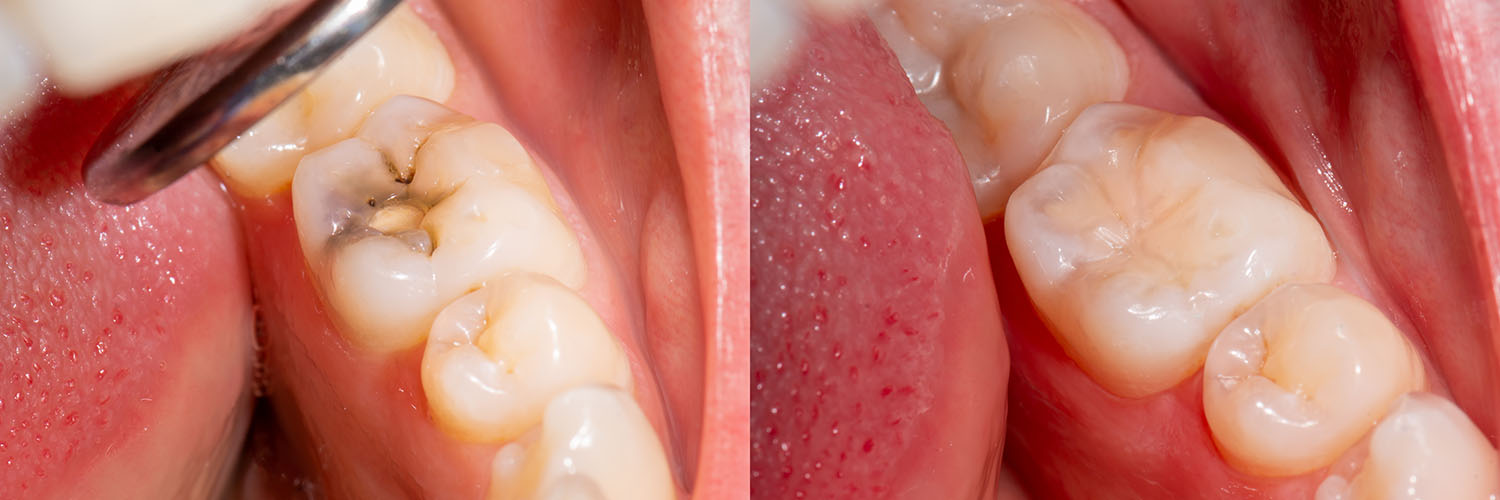
Not every damaged tooth is best served by a direct filling. When decay is extensive, when a large portion of the tooth has been lost, or when the tooth’s structural integrity is compromised, indirect restorations such as inlays, onlays, or crowns may offer a more durable solution. These restorations are fabricated outside the mouth and provide greater coverage and strength for heavily restored teeth.
In some cases where decay reaches the inner pulp or infection is present, endodontic treatment (a root canal) combined with an onlay or crown can retain the tooth and restore full function. The decision between a filling and a more involved restoration rests on clinical findings, long-term prognosis, and patient preferences about conserving tooth structure versus maximizing strength.
Choosing the right path involves a balanced conversation about risks, benefits, and expected outcomes. Your dental team will explain why one treatment is recommended over another and what to expect in terms of durability and maintenance, helping you make a confident, informed decision.
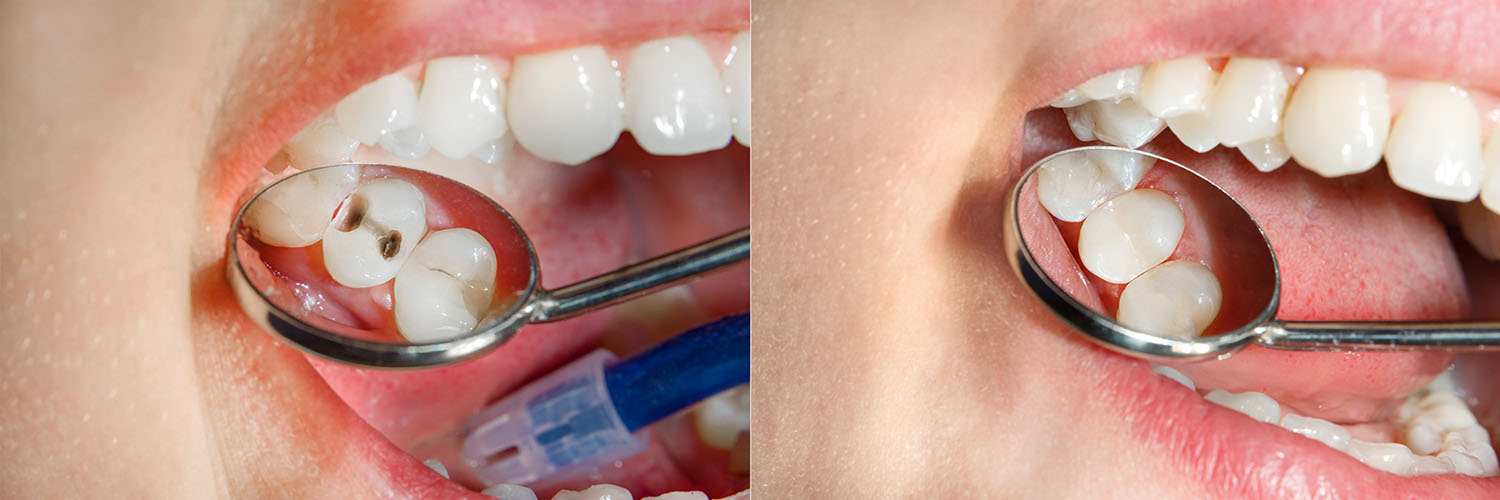
Our goal is to restore your tooth in a way that looks natural, feels comfortable, and supports long-term oral health. If you have any questions about composite fillings or cavity treatment, we’re here to help.
In summary, contemporary composite fillings offer a conservative, attractive, and effective way to treat decay and repair teeth. They are a cornerstone of restorative dentistry for patients who want solutions that preserve natural tooth structure and maintain a pleasing appearance. Contact us to learn more about how these restorations might fit into your dental care plan.
Dental fillings are restorations used to repair teeth that have decay or minor structural damage. They restore the tooth's shape and chewing function while sealing out bacteria. Timely placement of a filling prevents small cavities from progressing into more complex problems.
A dentist will recommend a filling when decay is confined to enamel and dentin or when a tooth has a small chip or wear that compromises function. Fillings can be placed on front or back teeth depending on the material and aesthetic needs. Your dental team evaluates the extent of damage and recommends a conservative approach that preserves healthy tooth structure.
Contemporary options include tooth-colored composite resin, glass ionomer materials, ceramic (porcelain), and, in some cases, metal alloys. Composite resin blends with natural enamel and bonds to tooth structure, while glass ionomer releases fluoride and can be helpful in certain restorations. Ceramic restorations offer excellent aesthetics and wear resistance for larger repairs.
Each material has strengths that make it preferable in different situations, such as location in the mouth, amount of tooth remaining, and appearance goals. Composite and ceramic options are mercury-free for patients seeking metal-free restorations. Your dentist will explain why a particular material is recommended based on function and long-term prognosis.
A typical appointment begins with a clinical exam and radiographs when needed to confirm the extent of decay. The tooth is isolated, the decay is removed, and local anesthesia is used when necessary so the procedure is comfortable for most patients. Composite resin is applied in thin layers, sculpted to match the tooth's contours, and each layer is cured with a light to harden the material.
After placement the dentist will check and adjust your bite, refine the shape, and polish the restoration for a smooth finish. Most direct composite fillings are completed in a single visit and should feel natural once the mouth returns to normal sensation. If you have dental anxiety, mention it ahead of time so the team can discuss comfort options and expectations.
The lifespan of a filling varies with the material used, the size and location of the restoration, and the forces placed on the tooth during chewing. Fillings can last several years to over a decade when properly placed and maintained, but wear, recurrent decay, and heavy bite forces may shorten that timeframe. Regular dental exams allow your provider to monitor restorations for signs of wear or leakage so issues can be addressed early.
Oral hygiene, diet, and habits such as grinding or clenching also influence how long a filling will perform well. Smaller, well-bonded restorations typically require less intervention than larger repairs. When a filling shows significant breakdown or recurrent decay, replacement or an alternative restoration may be recommended to protect the tooth.
After a filling you may have temporary numbness from local anesthesia; avoid chewing until sensation returns to prevent accidental biting. Mild sensitivity to hot, cold, or pressure is common for a few days as the tooth adjusts, and this usually subsides without treatment. Over-the-counter pain relievers and avoiding very hard or sticky foods for a short period can help with comfort while the restoration settles.
If you notice sharp pain when biting, prolonged sensitivity, or a rough feeling that does not improve, contact your dental team for an evaluation. These signs can indicate a high spot, marginal gap, or other issue that is often correctable. Routine brushing, flossing, and professional cleanings will help protect the restoration and surrounding tooth structure over time.
When decay is extensive, when a large portion of the tooth is missing, or when the tooth's structural integrity is compromised, a direct filling may not provide sufficient strength or protection. In such cases an inlay, onlay, or crown can offer greater coverage and durability because these restorations are fabricated outside the mouth and then bonded or cemented in place. If decay has reached the pulp or infection is present, endodontic treatment (root canal) followed by an onlay or crown may be advised to preserve the tooth.
The choice between a filling and an indirect restoration depends on clinical findings, long-term prognosis, and the tooth's role in your bite. Your dentist will discuss the risks and benefits of each option and recommend the treatment that best balances conservation of tooth structure with functional longevity. A clear explanation helps you make an informed decision about restoring the tooth.
Minor issues such as small chips, marginal staining, or localized wear can sometimes be repaired conservatively because composite materials bond to existing tooth structure. Repairing a portion of a restoration may preserve more natural tooth and reduce the amount of new restorative material needed. The feasibility of repair depends on the material involved, the condition of the margins, and whether there is underlying decay.
When a restoration shows extensive breakdown, recurrent decay, or repeated failures, full replacement is often the most predictable solution. Your dentist will evaluate the restoration and explain whether a targeted repair or complete replacement is the best path forward based on long-term outcomes. Regular checkups make it easier to identify repairable issues early.
Composite resin is widely used and considered safe for most patients; it is mercury-free and bonds directly to tooth structure to strengthen weakened areas. Like natural tooth enamel, composites can pick up surface stains from foods, beverages, and tobacco over time, and they may show marginal discoloration at the restoration interface. Routine polishing during professional cleanings and good oral hygiene can reduce staining and help maintain appearance.
If a composite restoration becomes deeply stained, worn, or compromised, targeted repair or replacement restores aesthetics and function. Advancements in material science have improved the wear resistance and color stability of composite materials, making them a reliable choice when properly placed. Discuss any specific material concerns with your dentist so they can recommend the best option for your needs.
Short-term sensitivity after a filling is common and generally reflects the tooth's response to preparation, bonding agents, or temperature changes; this usually resolves within a few days to weeks. Persistent or sharp pain may indicate a high contact, marginal issue, or irritation to the pulp that requires follow-up care. Dentists can adjust the bite, reseal margins, or recommend treatments to address ongoing sensitivity.
Desensitizing toothpaste, topical agents, and fluoride treatments are conservative measures that often reduce sensitivity. If sensitivity is linked to deep decay or pulpal inflammation, additional procedures such as a root canal may be necessary to relieve symptoms and preserve the tooth. Timely evaluation ensures any persistent problems are identified and managed appropriately.
At Skylark Dental we base recommendations on a comprehensive clinical assessment that includes visual examination, radiographs when needed, and a discussion of your aesthetic and functional goals. We consider the size and location of the defect, the tooth's role in your bite, and long-term prognosis when selecting materials and techniques. The focus is on conservative treatments that restore strength and appearance while preserving healthy tooth structure whenever possible.
Your provider will explain the reasons for a particular recommendation, outline what to expect during treatment, and describe follow-up care to protect the restoration. Shade matching and finishing techniques are used to ensure restorations blend with surrounding teeth for a natural result. Regular monitoring at recall visits helps maintain restorations and allows early intervention if changes occur.
Quick Links
