


Dental anxiety affects millions of people, and when fear keeps you out of the chair it can slowly undermine both oral health and daily comfort. If visits make your heart race or leave you tense for days, help is available. At Skylark Dental, we prioritize calm, controlled care and offer evidence-based sedation options so patients can get the dentistry they need without unnecessary stress.
Sedation dentistry is not about putting people to sleep; it’s about tailoring the experience so each patient feels safe, relaxed, and in control. Whether you need a one-time procedure or ongoing work that would otherwise be difficult to complete, sedation can transform a stressful appointment into a manageable, even pleasant, experience. Our approach emphasizes patient education, careful planning, and monitoring so outcomes are both comfortable and predictable.
Below you’ll find clear explanations of when sedation might be helpful, how different methods work, and what to expect before, during, and after treatment. The goal is to give you the information you need to make a confident decision about care—without technical jargon or unnecessary alarm.
Sedation works by modulating anxiety and sensory perception so the procedure itself becomes easier to tolerate. For many patients this means reduced awareness of chair time and less memory of the details of treatment. That reduction in stress makes it easier to cooperate during care and recover with a calmer mindset afterward. Importantly, sedation is used alongside local anesthesia so patients receive effective pain control at the treatment site as well.
Modern sedation protocols focus on safety: dosing is individualized, vital signs are monitored throughout the visit, and staff are trained in emergency response. The aim is not to eliminate consciousness unless medically indicated, but to achieve a level of relaxation that allows procedures to proceed smoothly and efficiently. For most people this means they feel comfortable and responsive while remaining blissfully relaxed.
Patients often describe sedation visits as less emotionally taxing and more productive—complex or lengthy procedures feel shorter, and treatments that once provoked dread can become routine. That combination of comfort and efficiency helps people stay current with preventive care and avoid escalation of oral health problems that arise when visits are postponed.
Deciding whether sedation is appropriate begins with an honest conversation about past experiences, current fears, medical history, and the type of dental work needed. People who benefit most often include those with significant dental phobia, extreme sensitivity to dental stimuli, or medical or developmental conditions that make it hard to tolerate care. Sedation can also be a practical choice when many procedures are required but limited appointments are possible.
Sedation is a useful tool for addressing strong gag reflexes, severe tooth sensitivity, or anxiety that prevents adequate relaxation. For some patients, the presence of a sedative makes it possible to complete a full treatment plan in fewer visits, which can be less disruptive and more manageable overall. Importantly, the decision is collaborative: your dentist evaluates risks, discusses options, and recommends the safest path forward.
There are scenarios where sedation is not recommended or requires special precautions, such as certain medical conditions or interactions with medications. During your consultation, relevant factors like current prescriptions, breathing problems, or sleep apnea are reviewed so that we can select the safest, most effective approach tailored to your needs.

A successful sedation visit begins long before you arrive at the office. During your pre-treatment discussion, the team will review your medical history, current medications, and any previous reactions to anesthesia or sedatives. This conversation determines the level of monitoring needed and whether an escort should accompany you home after the appointment.
You’ll receive clear instructions about eating and drinking if necessary—some types of sedation require the stomach to be empty for safety—along with guidance on medication management and transportation. On the day of treatment, monitoring equipment is used to track heart rate, blood pressure, and oxygen levels so your safety is maintained throughout the procedure.
Aftercare varies by the method used: mild inhalation sedation typically allows for a quick return to normal activity, while deeper oral or IV sedation will usually require a longer recovery period and someone to drive you home. The team will also provide simple post-operative instructions so you can rest and recover comfortably after your visit.
Sedation in dentistry ranges from minimal relaxation to deeper levels of conscious sedation; full general anesthesia is reserved for rare situations and is administered in a hospital setting. Choosing the right level is a balance between the patient’s anxiety, medical condition, and the complexity of the procedure. Safety begins with a thorough review of health history and continues with vigilant monitoring during treatment.
Conscious sedation is the most common approach in office-based dentistry: patients remain able to respond to verbal cues but feel calm and detached from the procedure itself. This level allows clinicians to proceed with restorative or surgical work while ensuring the patient is comfortable. When deeper sedation is required, protocols are more intensive and include additional monitoring and recovery measures.
Regardless of the technique, trained personnel and appropriate emergency equipment are essential. Ask your provider about who will administer and monitor sedation, what credentials they hold, and what safety checks are performed—transparency is a key part of responsible care.
There are several widely used sedation techniques, each with predictable effects and specific uses. The choice depends on the level of anxiety, the anticipated length and invasiveness of the procedure, and individual medical considerations. Below are the methods commonly available in dental offices and the practical differences to expect.
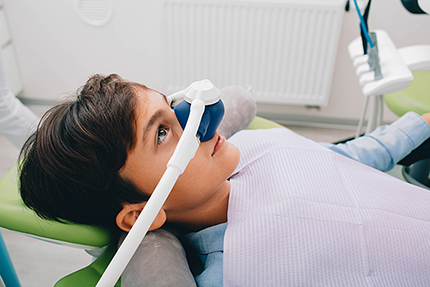
Nitrous oxide, often called “laughing gas,” is delivered through a soft nose mask and produces mild relaxation while allowing full consciousness. Its primary advantages are predictability and rapid recovery—effects dissipate quickly once the gas is turned off, so patients typically resume normal activities soon after the appointment. This method is ideal for mild-to-moderate anxiety and for reducing gag reflex or sensitivity during routine procedures.
Oral sedation involves taking a prescribed medication before the visit to achieve a deeper level of calm. The medication’s onset and duration vary by drug and dose, and while many patients remain responsive, they often have limited recollection of the procedure. Because oral sedatives affect coordination and judgment, arrangements for transportation are required and recovery may take several hours.
IV sedation delivers medication directly into the bloodstream for rapid, adjustable effects suitable for more complex or longer procedures. Clinicians can raise or lower the sedation level as needed, offering a controlled experience that keeps the patient comfortable while allowing necessary dental work to proceed. IV sedation usually requires fasting beforehand and an escort to accompany the patient home after treatment.
All techniques are applied with careful monitoring and follow established safety protocols. The best choice is the one that balances comfort and risk for your particular situation; your dentist will explain options and recommend the approach that aligns with your medical profile and treatment goals.
Choosing to use sedation is a personal decision that should be based on clear information and professional guidance. If dental anxiety has kept you from care, sedation can be a safe, effective way to restore comfort and move forward with necessary treatment. Our aim is to provide calm, patient-centered care so you can maintain a healthy, confident smile.
For more details about our sedation services or to discuss whether sedation is appropriate for you, please contact us for more information.
Sedation dentistry uses medications to reduce anxiety and make dental care more comfortable for patients who feel fearful or tense about treatment. It is used in addition to local anesthesia so the treatment site remains numb while the patient experiences less stress and sensory discomfort. The approach is individualized to the patient's needs and the planned procedure to improve tolerance and make care more effective.
Options range from mild inhaled agents to deeper oral or intravenous techniques, and each has predictable effects on awareness and memory. At Skylark Dental the goal is to create a calm, controlled experience that allows patients to receive necessary dentistry without excessive distress. Before recommending sedation, the dental team reviews medical history and discusses expectations so the method chosen matches the patient's health and treatment needs.
Nitrous oxide, often called laughing gas, produces mild relaxation quickly and wears off within minutes after the gas is stopped, making it useful for routine procedures and patients with mild-to-moderate anxiety. Oral sedatives are taken before the appointment and typically produce a deeper level of calm with partial memory loss of the visit; they require more recovery time and an escort home. Intravenous (IV) sedation delivers medication directly into the bloodstream for rapid and adjustable effects and is often chosen for longer or more complex procedures.
Each technique has trade-offs in onset, depth of sedation, and recovery, so the clinician selects the option that balances comfort and safety for the individual. General anesthesia, which produces complete unconsciousness, is reserved for rare cases and is usually provided in a hospital setting. Your dentist will explain why a particular method is recommended and what monitoring will be in place during treatment.
Good candidates include people with significant dental anxiety or phobia, those with a strong gag reflex or extreme sensitivity, and patients with developmental or medical conditions that make it hard to tolerate routine care. Sedation is also helpful when multiple or lengthy procedures are needed and completing treatment in fewer visits is preferable. The decision is made on an individual basis after a thorough review of medical history and the planned dental work.
Some medical conditions or medication interactions may require special precautions or rule out certain sedation types, so full disclosure of health history is essential. The dental team evaluates breathing issues, sleep apnea, pregnancy status, and current prescriptions to determine the safest approach. Collaboration with a physician may be arranged when complex medical factors are present.
Preparation typically begins with a pre-treatment consultation during which the dentist reviews your medical history, current medications, and any prior reactions to sedation or anesthesia. You will receive specific instructions about eating and drinking, medication management, and whether you should arrange an escort to drive you home after the appointment. Following these directions helps reduce risk and ensures monitoring and recovery proceed smoothly.
On the day of treatment wear comfortable, loose clothing and bring a list of medications and relevant medical records if available. Avoid alcohol and recreational drugs before sedation, and follow any fasting instructions that apply to the type of sedation being used. If you have questions about prescriptions or how to adjust routine medications, discuss them with the dental team before your visit.
During a sedated appointment the dental team continuously monitors vital signs such as heart rate, blood pressure, and oxygen levels while administering the chosen sedative and local anesthesia for pain control. Patients under light sedation generally remain responsive to verbal cues, while those receiving deeper sedation may be less aware and have reduced memory of the procedure. Trained staff are present to adjust medication levels and respond to any changes in the patient's condition.
Recovery time depends on the method used: nitrous oxide typically allows a quick return to normal activity, whereas oral or IV sedation often requires several hours of observation and an escort home. The team will provide written aftercare instructions covering rest, permitted activities, and signs that should prompt a follow-up call. It is important to follow these guidelines to support a safe recovery and avoid complications.
Sedation dentistry is safe when administered by trained professionals following established protocols that include individualized dosing, continuous monitoring, and access to emergency equipment. Patient safety begins with a detailed health history and medication review to identify contraindications and choose the appropriate level of sedation. The dental team is prepared to manage common side effects and rare emergencies through training and routine practice of emergency procedures.
Skylark Dental's clinicians and staff adhere to recognized safety standards, and they will explain who administers and monitors sedation as well as the credentials involved. Patients are encouraged to ask about monitoring devices, emergency medications on hand, and staff training so they understand the safeguards in place. Transparency about these measures helps patients make informed choices about care.
Many prescription and over-the-counter medications can interact with sedatives, changing how a drug is absorbed or increasing sedation effects, so it is crucial to disclose all medications and supplements before treatment. Medical conditions such as sleep apnea, respiratory disease, liver or kidney problems, and certain cardiac issues can influence which sedation techniques are safe. Pregnancy and recent substance use are also important considerations when developing a sedation plan.
Based on this information the dentist may modify drug selection or dosage, recommend additional monitoring, or coordinate care with your physician. Sometimes an alternative approach that avoids deeper sedation is preferred to reduce risk. The goal is to choose a method that provides comfort while maintaining the highest safety standards for your health profile.
The level of awareness depends on the sedation method used: minimal sedation (for example, nitrous oxide) leaves you fully awake but relaxed, while moderate oral or IV sedation typically produces drowsiness and partial memory loss of the procedure. Many patients describe feeling calm with diminished recall of details when oral or IV sedatives are used, which can ease future anxiety about dental visits. General anesthesia, which renders a patient unconscious, is not commonly used in the dental office and is reserved for specific clinical scenarios.
If maintaining responsiveness is important, discuss that preference with your dentist so an appropriate level of sedation is chosen. The clinician can explain the expected effects on awareness and memory so you know what to expect during and after the appointment. Understanding these differences helps set realistic expectations and reduces apprehension about the experience.
Yes, sedation can enable longer or more complex procedures to be completed in a single visit by helping the patient tolerate extended chair time without undue stress. This can be particularly useful for full-mouth restorative work, multiple extractions, or when a patient’s schedule or medical needs make multiple short visits impractical. Completing more treatment per appointment often reduces overall disruption while still maintaining quality and safety.
Even when sedation allows consolidation of care, the dentist will plan follow-up visits as needed for monitoring healing, adjusting restorations, or delivering additional treatment. Treatment decisions balance efficiency with clinical prudence, so your dentist will explain whether sedation is likely to decrease the number of appointments in your specific case. Shared planning ensures the treatment sequence meets both dental goals and patient comfort.
Ask which types of sedation the office offers and why a particular method is being recommended for your case, who will administer and monitor the sedation, and what credentials and emergency training the staff hold. It is also important to ask what monitoring equipment will be used during the procedure and what emergency protocols are in place. Clear answers help you evaluate safety and feel confident in the team's readiness.
Additionally, request specific preoperative and postoperative instructions, guidance about current medications, and information about transportation and recovery expectations. You may also ask about alternatives to sedation and how the proposed plan affects the overall treatment timeline. Getting these details in writing can make the decision-making process clearer and help you prepare for a safe, comfortable visit.
Quick Links
