


At the office of Skylark Dental, our approach to care begins with preserving natural teeth whenever possible. That said, there are times when removing a tooth is the most responsible choice for protecting oral health, preventing further infection, or avoiding damage to adjacent teeth. We focus on clear explanations and individualized treatment so every patient understands why extraction is being considered and what to expect next.
Decisions about extraction are never made lightly. Your dentist will weigh the tooth’s condition, surrounding bone and gum health, and the overall impact on your bite and smile. If removal is recommended, we’ll walk you through the options for managing comfort during the procedure and the best paths for recovery and tooth replacement when appropriate.
Comfort, safety, and predictable outcomes guide our work. Our team prioritizes patient education so you leave with a realistic sense of timelines, healing expectations, and follow-up care that supports a strong recovery.
Primary (baby) tooth that is delayed, damaged, or blocking normal development
Most baby teeth come out on schedule as permanent teeth erupt. Occasionally a primary tooth becomes stuck—its root doesn’t resorb or the tooth fuses to bone—preventing the adult tooth from emerging properly. Removing an over-retained baby tooth can help the permanent tooth erupt in better alignment and support healthier long-term dental development.
Permanently damaged tooth with decay beyond repair
Untreated cavities can progress from the outer enamel into deep dentin and the tooth’s nerve. When decay has destroyed critical structure and restorations are not feasible, extraction becomes the safest option to remove the source of infection and protect surrounding teeth and tissues.
Severe fracture or structural failure of a permanent tooth
Teeth can crack in many ways. Minor chips often respond well to restorative care, but when a fracture extends into the root or leaves too little tooth to restore, extraction may be necessary to prevent recurring pain, infection, or damage to neighboring teeth.
Advanced periodontal disease that weakens support around a tooth
Periodontal (gum) disease gradually destroys the connective tissues and bone that hold teeth in place. In advanced stages, teeth can become mobile and painful. Removing teeth that have lost their support can help control infection and make it easier to treat remaining teeth and gums effectively.
Impacted or problematic wisdom teeth
Third molars often lack adequate room to erupt normally. When wisdom teeth develop positioned against neighboring teeth, are partially erupted and vulnerable to infection, or show significant decay, removing them can prevent pain and protect the nearby teeth and gums.
Teeth extracted as part of orthodontic or restorative planning
In some cases, selective removal of permanent teeth creates the space needed to align a crowded bite or to prepare the mouth for reliable restorative work. Extractions done for orthodontic reasons are carefully planned with a goal of improving function, stability, and long-term dental health.

Before any extraction, we perform a focused clinical exam and take digital radiographs as needed to assess root shape, bone level, and proximity to important structures. This imaging helps determine whether a straightforward removal is possible or if the tooth will require a surgical approach. We always explain the plan and answer questions prior to moving forward.
We tailor comfort measures to each patient. Local anesthesia reliably numbs the area for most routine extractions. For patients who prefer additional calming measures, we can discuss oral or nitrous oxide sedation to minimize anxiety. Cases that are complex or involve impacted teeth may be referred to an oral surgeon with specialized training.
During the extraction, your safety and pain control are our top priorities. Simple removals typically involve gentle loosening and removal with forceps after sufficient anesthesia. Surgical extractions may require small incisions or removal of a bit of bone to access the tooth. Throughout, we take care to protect surrounding tissues and plan for an efficient, comfortable recovery.
When a tooth is fully visible and has roots that are straightforward, it often can be removed using forceps in a single visit. These simple extractions tend to be quick procedures with predictable healing. If the tooth is broken beneath the gum line, fused to the bone, or impacted, a surgical approach is chosen to access and remove the tooth safely.
We base the decision on clinical findings and radiographic anatomy. Our goal is to choose the method that minimizes trauma and maximizes the likelihood of an uncomplicated recovery. When a surgical extraction is necessary, we’ll review the steps with you and outline post-op expectations in advance.
Your medical history and current medications influence preoperative planning. Please tell us if you take blood thinners, have a history of heart conditions, or take medications that might affect healing. In certain circumstances, we coordinate care with your physician or suggest temporary adjustments to medication under medical guidance.
We’ll also discuss pain control strategies—over-the-counter options are effective for many patients, and prescription analgesics are used selectively. If you experience dental anxiety, sedation options are available and will be reviewed thoroughly before scheduling treatment.
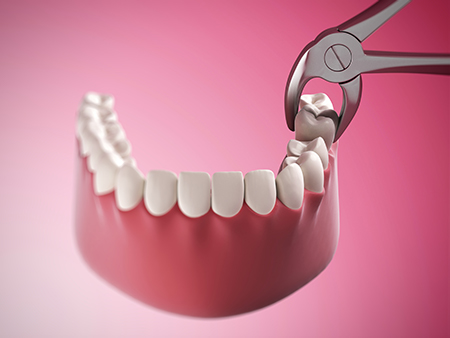
Recovery after an extraction follows a predictable pattern: initial clot formation, a few days of soft-tissue healing, and gradual maturation of the socket over several weeks. Most patients can manage this recovery at home with simple supportive measures and by following the care instructions we provide.
We emphasize behaviors that protect the blood clot and promote tissue healing—avoiding suction actions, keeping force off the site, and maintaining good but gentle oral hygiene. While some swelling and mild discomfort are common, significant increases in pain, swelling, or any signs of infection should prompt a call to our office.
We provide tailored post-op directions, prescription guidance when needed, and clear timelines for follow-up so you know what to expect and when normal activities can resume.
Maintain firm pressure with gauze
Biting gently on the provided gauze helps control bleeding and supports clot formation. Replace the pad only when advised and keep pressure steady for the first hour or as instructed. Light oozing can continue for up to 24 hours, but persistent heavy bleeding should be evaluated.
Be cautious while numb
Until the anesthesia wears off, avoid chewing, and protect your lips and tongue from accidental bites that can cause injury.
Follow medication instructions
Antibiotics:
If antibiotics are prescribed to reduce infection risk, take them exactly as directed and finish the full course.
Pain relief:
Taking a recommended painkiller before the numbness wears off can prevent a pain spike. Use over-the-counter options or prescription medications as directed and avoid combining medications unless advised.
Avoid disrupting the clot
Do not rinse vigorously, spit forcefully, drink through a straw, or smoke during the first several days—these actions can dislodge the clot and delay or complicate healing.
Manage swelling with cold
Apply an ice pack to the cheek intermittently during the first 24 hours to reduce swelling—short, repeated applications are most effective.
Refrain from smoking
Tobacco products significantly impair healing; avoid smoking for at least a week after extraction to reduce complications and promote better tissue recovery.
Choose soft, soothing foods
For the first few days, favor soft, cool-to-warm foods and avoid hot, spicy, or crunchy items that can irritate the site. Stay well hydrated.
Keep your mouth clean—gently
Brush the other teeth normally but be gentle near the extraction area. After 24–48 hours, a mild saltwater rinse can help keep the socket clean—use light motions and avoid forceful spitting.
Attend follow-up visits
If sutures were placed or if healing needs monitoring, keep your scheduled follow-up appointment so we can confirm healthy progress and address any concerns.
If you notice heavy bleeding, worsening pain, fever, or any unusual symptoms, contact our office promptly for evaluation and care.
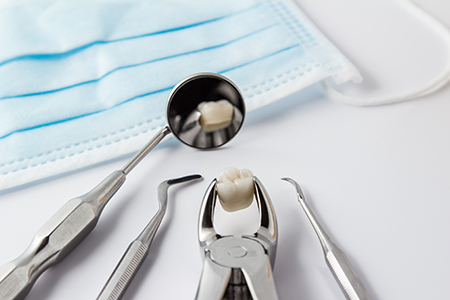
Removing a tooth can be the first step toward restoring comfort and protecting the rest of your mouth. After an extraction, we’ll discuss long-term options for replacing the missing tooth when appropriate, including dentures, fixed bridges, and dental implants. Each option has specific indications and long-term benefits that will be explained in the context of your overall oral health and goals.
Choosing an experienced team matters because proper socket care, planning for replacement, and monitoring bone health all contribute to predictable outcomes. We combine conservative decision-making with modern techniques to help patients transition from extraction to a stable, functional solution that supports comfort and chewing efficiency.
When replacement is not immediately required, we still provide guidance about maintaining the extraction site and monitoring neighboring teeth so that healing proceeds without complication and future restorative work can be planned when it makes sense for you.
We emphasize respectful communication, careful diagnosis, and individualized treatment plans. From preoperative evaluation through recovery and any follow-up restorations, our goal is to make the experience as straightforward and comfortable as possible. You can expect thorough explanations, attentive pain control, and clear instructions that help healing proceed smoothly.
Our team combines years of clinical experience with up-to-date techniques in sedation, imaging, and post-operative care. This combination helps us manage routine extractions and more complex cases under the same standards of safety and patient comfort.
If you’d like to learn more about tooth extraction or how it may fit into your broader dental care plan, contact us for additional information or to schedule a consultation.
A tooth extraction becomes necessary when preserving the natural tooth would jeopardize oral health. This can occur with extensive decay, severe fracture, advanced periodontal disease, or teeth that are impacted and causing pain or infection. At Skylark Dental we evaluate each situation carefully to determine whether removal is the best path forward.
Decisions are based on a clinical exam, digital radiographs, and consideration of how the tooth affects surrounding teeth, bone, and bite function. When extraction is recommended, we explain the rationale, outline the procedure, and discuss options for comfort and future replacement if needed. Our aim is to protect your overall oral health while minimizing treatment when possible.
A simple extraction is appropriate when a tooth is fully visible and has uncomplicated root anatomy that allows removal with forceps. Surgical extraction is chosen when the tooth is broken at or below the gum line, is impacted, or has roots that require sectioning or minor bone removal to extract safely. Radiographs and a focused exam help the dentist determine which approach will minimize trauma and promote predictable healing.
If a surgical approach is needed, we will review the steps in advance so you know what to expect, including any sutures and extended healing time. Complex cases may be handled in our office or referred to an oral surgeon when specialized care will improve safety and outcomes. The chosen method aims to protect surrounding tissues and reduce postoperative complications.
Before an extraction we perform a focused clinical exam and take digital X-rays to assess root shape, bone levels, and proximity to vital structures. We review your medical history and medications to identify any factors that could affect the procedure or healing. This preoperative planning allows us to create a safe, individualized treatment plan.
On the day of treatment local anesthesia numbs the area so you should not experience pain during the procedure, though you may feel pressure or movement. The procedure itself can range from a brief simple removal to a longer surgical extraction if additional access is required. After the tooth is removed we place gauze to help a blood clot form and provide detailed post-op instructions to support healing.
Local anesthesia is the standard for most extractions and reliably controls pain during the procedure. For patients with anxiety or who prefer additional sedation, options such as nitrous oxide or oral sedation are available and can be discussed during the consultation. The choice of sedation depends on medical history, the complexity of the extraction, and patient preference.
In cases that require deeper sedation or surgical expertise, we may coordinate care with an oral surgeon who offers advanced sedation techniques. All sedation options are accompanied by clear preoperative instructions and monitoring to ensure safety and comfort. We prioritize explaining benefits and risks so patients can make informed choices.
To prepare for an extraction you should provide a complete medical history and a list of current medications so we can plan safely, especially if you take blood thinners or have cardiac conditions. Follow any preoperative instructions we give regarding fasting, medication adjustments, or transportation if sedation will be used. Arranging a ride home is important when sedatives are prescribed.
Avoid smoking and excessive alcohol in the days leading up to treatment, as these can impair healing. Ask questions about the procedure, expected recovery, and replacement options so you feel informed and comfortable before the appointment. Clear communication helps us tailor care to your needs and reduces anxiety on the day of treatment.
Apply firm, steady pressure with gauze over the extraction site for the first hour or as instructed to help the blood clot stabilize and control bleeding. Expect some mild bleeding and swelling, which usually diminishes over the first 48 hours, and use ice packs intermittently during day one to limit inflammation. Avoid vigorous rinsing, spitting, using a straw, or smoking for several days to protect the clot and promote normal healing.
Take pain medication exactly as directed and follow any antibiotic instructions if prescribed to reduce infection risk. Maintain gentle oral hygiene by brushing other teeth normally and introducing a warm saltwater rinse 24–48 hours after surgery using light motions. Attend any scheduled follow-up so we can confirm proper healing and remove sutures if needed.
Common complications include prolonged bleeding, infection, and dry socket, which occurs when the blood clot is displaced and the underlying bone becomes exposed, often causing increased pain several days after extraction. Fever, increasing swelling, persistent or worsening pain, or heavy bleeding that does not improve warrant prompt evaluation. These signs are not typical of normal recovery and should trigger a call to the office.
We provide clear criteria for when to seek urgent care and will advise whether an in-person assessment, a prescription, or a referral to a specialist is necessary. Early recognition and treatment of complications improve outcomes and reduce the likelihood of prolonged problems. Keep post-op instructions handy and contact the practice if you are unsure about your symptoms.
Antibiotics are prescribed selectively based on clinical signs of infection, the presence of certain medical conditions, or as a preventive measure in specific scenarios. If prescribed, it is important to complete the full course exactly as directed to ensure effective infection control and reduce resistance risk. Pain control typically begins with over-the-counter analgesics for many patients, with prescription medications reserved for more severe discomfort.
We will recommend dosing schedules and safe combinations, and we review any interactions with your current medications during the consultation. Use caution with opioid medications when prescribed and follow guidance about driving or operating machinery. Effective pain management combined with good home care helps most patients recover comfortably.
Replacing a missing tooth is often considered to restore chewing function, maintain bite alignment, and preserve jawbone health; options include dental implants, fixed bridges, and removable dentures. An implant can replace a single tooth and help preserve bone over time, while bridges and dentures may be appropriate depending on the number of missing teeth and overall oral health. Timing for replacement depends on healing, bone availability, and your long-term treatment goals.
At Skylark Dental we discuss the advantages and considerations of each option and develop a customized plan that aligns with your oral health and lifestyle. Socket preservation techniques and planning for future restoration are part of our approach to support predictable outcomes. When immediate replacement is not indicated, we still provide guidance about monitoring the site and maintaining oral health during the healing period.
Children sometimes require removal of a primary tooth when it is delayed in exfoliation, damaged, or interfering with normal eruption of the permanent tooth. Extracting an over-retained baby tooth can allow an adult tooth to erupt in a better position and reduce the need for more complex orthodontic treatment later. We coordinate pediatric extractions with parents and consider growth and developmental factors when planning treatment.
In other pediatric cases, extraction of permanent teeth may be part of orthodontic planning to address severe crowding or bite issues. When extractions are advised for orthodontic reasons, the decision is made with a focus on long-term function and stability of the bite. We provide child-friendly explanations, appropriate pain control, and follow-up to ensure a positive recovery.
Quick Links
